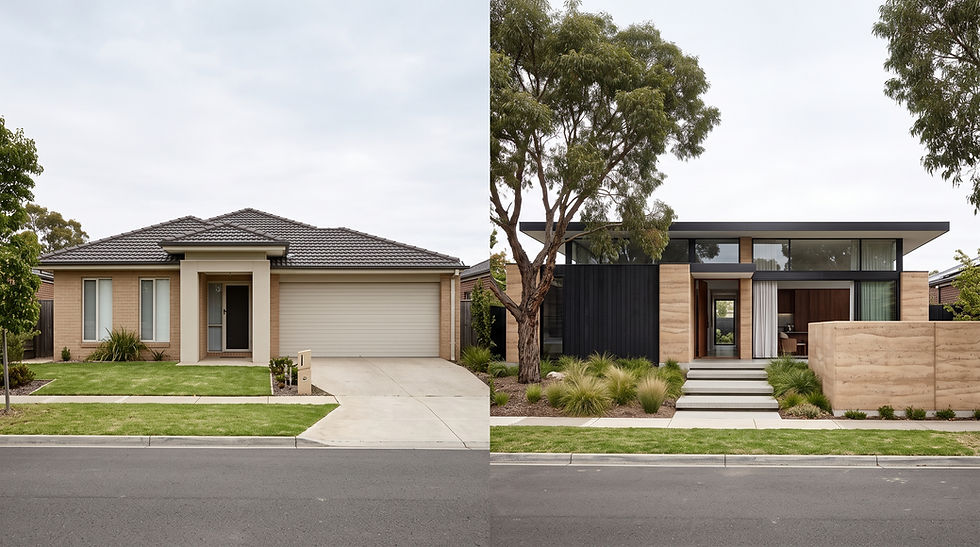
How Much Does an Architect Cost in Melbourne? (2026 Guide)


One of the first questions most homeowners ask is simple: How much does an architect cost in Melbourne?
It’s a fair question — and one that deserves a clear, transparent answer. While architectural fees aren’t a single fixed number, they do follow consistent principles. Once you understand how architects typically structure their services and fees, budgeting becomes far more straightforward.
This guide explains:
Typical architect fees in Melbourne
How architects structure their pricing
What influences cost
What you’re actually paying for
How to choose the right residential architect
How Much Does an Architect Cost in Melbourne?
For residential projects in Melbourne, architect fees typically range between 8% and 15% of the construction cost, depending on the project’s scope, complexity and level of service.
As a general guide:
New custom homes: approximately 8%–12%
Renovations and extensions: approximately 10%–15%
Highly bespoke or complex homes: may sit toward the upper end of the range
In some cases, architects may also offer:
Fixed fees for clearly defined scopes
Hourly rates for limited or advisory services
At ENCLAVE, fees are structured to reflect the actual scope, responsibility and involvement required, rather than applying a one-size-fits-all approach.
How Architects Structure Their Fees
Architectural fees are typically structured in one of the following ways, or a combination of them.
Percentage-Based Fees
Commonly used for full architectural services, where the architect is involved from early design through to construction. This structure scales with the project and aligns responsibility with project value.
Fixed Fees
A clearly defined fee agreed upfront, often used when the scope is well understood. Fixed fees provide clarity and cost certainty for both client and architect.
Hourly Rates
Used for consultations, feasibility studies, design reviews or small scopes of work where the extent of services cannot be fully defined at the outset.
How Architect Fees Are Distributed Across Project Stages
Rather than being charged as a single lump sum, architectural fees are generally distributed across key project stages, aligning fees with progress and deliverables.
While every project is different, most residential projects move through the following stages:
Concept Design
This is where the foundations of the project are established. The architect works closely with you to understand your brief, analyse the site, and explore design directions that respond to lifestyle, budget and planning constraints.
Strong concept design reduces risk later and sets a clear framework for all future decisions.
Design Development
Once a concept is agreed, the design is refined and resolved. Layouts are tested, materials are explored, and the design is reviewed against planning requirements and budget expectations.
This stage plays a critical role in avoiding costly changes later.
Construction Documentation
At this stage, the design is translated into detailed drawings and specifications suitable for approvals, pricing and construction.
Comprehensive documentation is essential for:
Accurate builder pricing
Minimising variations
Achieving the intended design outcome
Time invested here often results in smoother construction and better cost control.
Tendering & Builder Coordination
Where required, architects can assist with builder selection by responding to queries, reviewing pricing and helping compare proposals on a like-for-like basis.
This stage provides clarity and confidence before construction begins.
Construction Phase Services
During construction, architects can remain involved to review progress, clarify details and help ensure the design intent is carried through on site.
This ongoing involvement helps maintain quality and resolve issues before they escalate.
A Flexible, Project-Specific Approach
Not every project requires every stage — and the level of involvement at each stage can vary significantly.
At ENCLAVE, fees are tailored to the specific scope, complexity and delivery method of each project, allowing flexibility without compromising design quality or clarity.
What Influences the Cost of an Architect?
Several factors affect where a project sits within the typical fee range:
Project Complexity
Sloping sites, planning overlays, tight inner-city blocks or structural challenges require additional design thinking and coordination.
Scope of Services
Engaging an architect for concept design only will cost less than a full service that includes planning, documentation and construction involvement.
Level of Customisation
Highly bespoke homes designed around the way you live require more design development than standardised solutions.
Planning & Approval Requirements
Projects that involve planning permits, council negotiations or consultant coordination require additional professional input.
What Are You Actually Paying For?
Architectural services extend well beyond producing drawings.
Architect fees cover:
Strategic site and feasibility analysis
Spatial planning and design thinking
Navigation of planning and regulatory processes
Consultant coordination
Detailed, build-ready documentation
Ongoing design oversight
Good architecture is about making informed decisions early, not fixing problems later.
Choosing the Right Residential Architect in Melbourne
Choosing a residential architect in Melbourne isn’t just about design style. It’s about finding a practice that understands your vision, respects your budget, and can guide you confidently through a complex process.
Experience & Portfolio
Look for architects with experience in projects similar to yours. A strong portfolio demonstrates adaptability, technical ability and thoughtful problem-solving.
Reputation & References
Word-of-mouth, testimonials and past client experiences matter. A reputable architect should have a consistent track record of delivering high-quality outcomes and positive working relationships.
Communication & Collaboration
Architecture is a collaborative process. A good architect listens carefully, asks the right questions, and works closely with you throughout the project — not just during design, but through delivery.
Budget Alignment & Transparency
Ensure your architect is upfront about fees, scope and expectations. Clear communication around costs early helps the design evolve realistically and avoids surprises later.
The Value of a Skilled Architect
While the cost of hiring an architect may feel significant at first, the value they bring often extends well beyond the design phase.
Design Expertise & Regulatory Knowledge
Architects are trained to translate ideas into spaces that are functional, considered and compliant. They understand local planning controls and building regulations, helping projects move forward smoothly.
Cost Efficiency Over Time
Thoughtful design decisions made early can prevent expensive changes during construction. Clear documentation also reduces the risk of delays, variations and misunderstandings.
Enhanced Property Value
A well-designed home doesn’t just look better — it often performs better. Good architecture can enhance liveability, durability and long-term property value.
How to Budget for an Architect in Melbourne
A practical approach:
Establish your overall construction budget
Allow approximately 8%–15% for architectural services
Request a clear, stage-based fee proposal
Understand what is included at each stage
Clarity early in the process almost always leads to better outcomes later.
Final Thoughts
Architect fees are not simply a cost — they are an investment in clarity, confidence and long-term value.
The right architect helps you:
Spend money in the right places
Avoid unnecessary compromises
Create a home that genuinely supports how you live
If you’re planning a residential project in Melbourne and would like honest, grounded advice, a conversation is always a good place to start.
Disclaimer
The information provided in this article is intended as general information only. Architectural fees, processes, approvals and project requirements may vary depending on site conditions, scope, location, regulatory requirements and individual client circumstances. This content does not constitute professional, legal or financial advice. For advice specific to your project, we recommend consulting directly with a registered architect.